Starting in Baja California Sur, Mexico, two of the ESPA team are working to bring our conservation expertise into Latin America’s marine and terrestrial protected areas.
Around the Baja Peninsula, illegal, unreported and unregulated (IUU) fishing continues, causing an exponential decline of many marine species. National cuts to environment sector funding in recent years has led to local conservation department resources and manpower hollowing out. In addition, there are signs of organized crime spreading down Baja. The influence of criminal activity pressures more locals to fish illegally for commercially valuable marine life, including hammerhead sharks, mobula rays and turtles.
Tourism has declined due to COVID-19, compounding these threats. The pandemic has not only hit the local economy, but also removed a broad sensor network for reporting illegal activity.
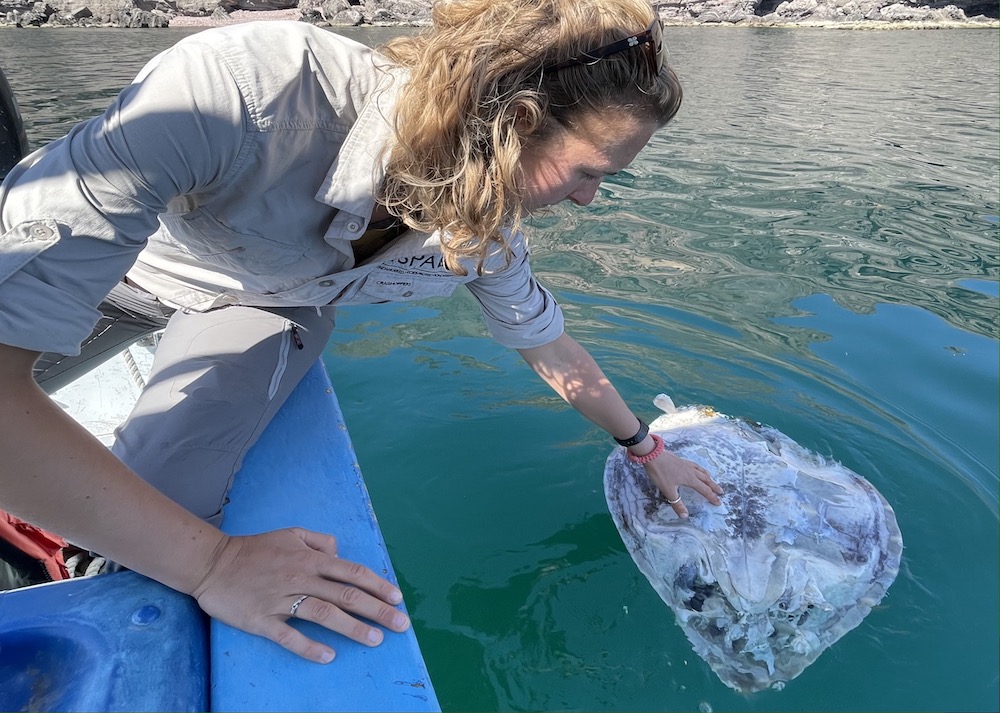
Over the Easter weekend, the ESPA team patrolled with rangers around a marine park in the southern Sea of Cortez. This time of year traditionally sees a spike in hunting turtles to eat, despite their protected status. The rangers saw six fishing camps and reported turtle fishing in ‘no-take’ areas. The team found a Green Turtle carcass during the patrol, though likely cause of death was a boat collision. The marine park also manages a sea lion colony, treating and monitoring individuals recovering from fishing gear entanglement.
The continued unsustainable exploitation of marine resources, even within protected areas, around Baja is of grave concern. The ESPA team’s consultation on the ground in five marine protected areas has brought together the understanding of locals, scientists and government to provide potential solutions across the region.